

- March 4, 2026
- Kerem Tezcan
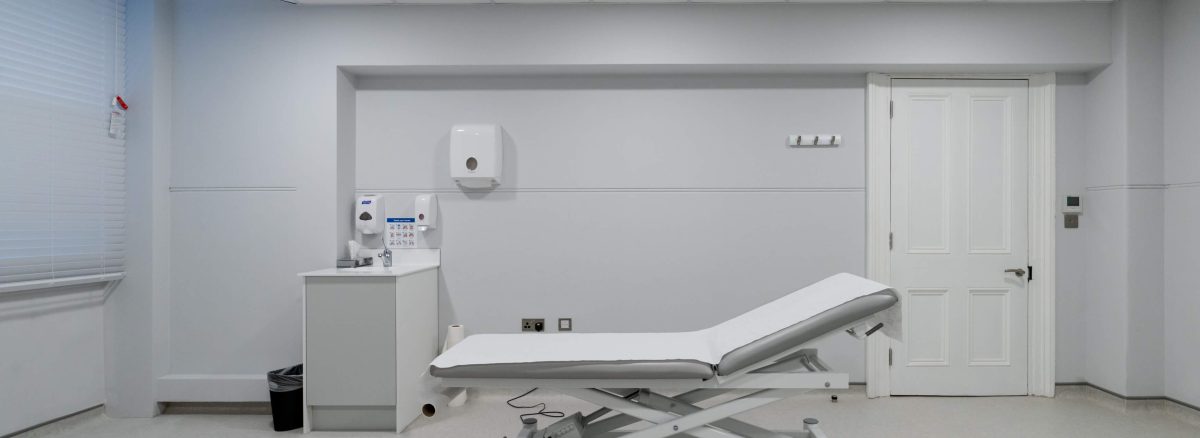
Private doctors use consulting rooms to build a patient base by establishing a consistent, professional clinical presence that supports word-of-mouth referrals, private medical insurer recognition, and GP network credibility. At Medical Rooms London, our CQC-registered facilities in Belgravia and Dulwich provide this foundation from £80 per hour. The physical environment of a consulting room communicates competence before a single word is spoken.
Where you see patients shapes how patients perceive you.
In this guide, we’ll cover how consulting room choice affects patient acquisition, which locations and environments produce the strongest referral outcomes, what compliance foundations a room must have before you open your doors, and the practical steps involved in setting up a room to support practice growth. I’ll draw on real patterns I have observed across practitioners at very different stages of building their private lists.
How Does a Consulting Room Affect Patient Acquisition for Private Doctors?
A consulting room affects patient acquisition for private doctors by signalling professional credibility, enabling insurer recognition, and supporting referral network development, with rooms located in established medical buildings consistently generating stronger new patient enquiry rates than isolated office conversions.
The effect is partly psychological and partly practical. Patients making a first private appointment are often anxious, and a clearly medical environment, co-located with other recognised healthcare practitioners, reduces that anxiety meaningfully. The room is doing patient reassurance work before the consultation begins.
On the practical side, private medical insurers including Bupa, AXA Health, and Aviva assess practitioners’ practice environments when processing recognition applications. A well-specified consulting room in a recognised medical building strengthens those applications considerably. An improvised space in a converted office, regardless of how competent the clinician inside it, can create unnecessary friction with insurer administrators reviewing recognition requests.
GP referral relationships are shaped by environment too. A GP referring a patient to a colleague practising from a professional medical suite sends that patient with confidence. The same referral to an ambiguous address creates hesitation, and hesitation in referral networks compounds over time.
The NHS Confederation’s guidance on independent practice is a useful reference point for practitioners thinking about how private and NHS work intersect in the early stages of practice development.
Which Consulting Room Locations Produce the Strongest Referral Outcomes?
Consulting rooms located within established private hospitals, purpose-built medical centres, or primary care premises used by GP practices generate the strongest referral outcomes for private doctors, with proximity to existing NHS services reducing the perceived distance between public and private care for both patients and referring clinicians.
Location sits at the intersection of two things: patient convenience and professional association. A consulting room that patients can reach easily by public transport, or that sits adjacent to familiar NHS facilities, removes friction from the decision to attend a first private appointment.
Professional association matters just as much. When a private doctor practises from a building that already houses respected specialists, those specialists become passive referral sources simply through proximity and shared professional contact. I have seen practitioners double their referral volumes within twelve months purely by moving from an isolated suite to a building shared with other clinicians.
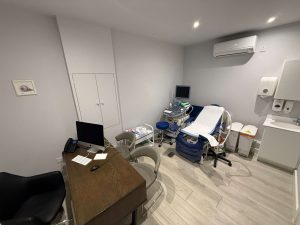
Purpose-built medical centres in city and town centres tend to perform best across both dimensions. They are accessible, professionally associated, and carry an institutional credibility that converted commercial spaces simply cannot replicate.
The Care Quality Commission’s directory of registered providers can help practitioners identify buildings already operating within a recognised regulatory framework, which is a useful starting point for location shortlisting.
Consulting Room Location: Impact on Practice Growth Factors
| Location Type | Typical Hourly Hire Cost | Referral Network Access | Insurer Recognition Support |
| Private hospital suite | £150/hr (specialist rooms with ultrasound or colposcopy) | High | Strong |
| Purpose-built medical centre | £80/hr (standard consultation rooms) | Medium to high | Moderate to strong |
| GP practice sessional room | £80/hr (consultation room) | High (NHS-adjacent) | Moderate |
| Converted commercial space | £80/hr (consultation room) | Low | Weak |
The pattern is consistent: investment in location pays back through referral quality, not just patient volume. A practitioner seeing six patients a week from a well-located room often generates more sustainable practice growth than one seeing ten patients a week from an unconvincing address.
What Compliance Requirements Must a Consulting Room Meet Before Seeing Private Patients?
A consulting room used for private patient care must meet CQC registration standards if regulated activities are delivered, satisfy UK GDPR physical safeguard requirements including audio and visual privacy, and provide a minimum usable clinical area of approximately 11 square metres with accessible handwashing within 6 metres of the treatment zone.
Private practice does not reduce compliance obligations. If anything, it concentrates them, because there is no institutional infrastructure absorbing the administrative burden. The practitioner is the infrastructure.
CQC registration is the first question to answer honestly. If the activities you intend to deliver constitute regulated activities under the Health and Social Care Act 2008, both the service and the premises must meet the relevant registration standards. Many hourly room providers serving the wellness and therapy market are not set up for regulated medical practice, and discovering this after you have already seen patients is a deeply uncomfortable position.
UK GDPR physical safeguards are the second priority. Patient conversations audible through shared walls, screens visible from doorways, and unsecured notes on desks all represent data protection failures. The ICO’s guidance on data protection in health settings sets out the obligations clearly and without ambiguity.
Professional indemnity cover must explicitly name or cover sessional practice locations. Check the policy wording, not just the summary document.
What Steps Are Involved in Setting Up a Consulting Room to Build a Private Patient Base?
Setting up a consulting room to build a private patient base requires private doctors to confirm CQC compliance, establish insurer recognition, register the address with the GMC, implement UK GDPR-compliant records systems, and create a consistent patient-facing presence at the room address, ideally within 30 to 60 days of the first session.
This checklist outlines the steps for setting up a consulting room to support private patient base growth.
- Confirm GMC registration is active and update the registered practice address to include the consulting room location.
- Verify the consulting room meets CQC requirements for any regulated activities you plan to deliver.
- Confirm professional indemnity insurance covers the sessional or rented room address explicitly.
- Apply for recognition with primary private medical insurers including Bupa, AXA Health, and Aviva, listing the room address.
- Assess the room for UK GDPR compliance including audio privacy, visual privacy, and secure records storage.
- Confirm handwashing facilities are within 6 metres of the primary consultation or treatment area.
- Set up encrypted digital records or a locked filing system compliant with UK GDPR retention requirements.
- Create a practice listing on relevant directories including the Doctify or Top Doctors platforms, using the room address.
- Introduce yourself formally to GP practices within a 3-mile radius of the consulting room address.
- Establish a consistent weekly timetable at the room rather than booking ad hoc, to support patient scheduling expectations.
That final point about consistency is underrated. Patients and referring GPs alike find it far easier to engage with a practitioner who has a predictable, bookable presence. An irregular timetable creates uncertainty, and uncertainty delays referrals.
How Do Private Doctors Use Consulting Rooms to Build Long-Term Practice Reputation?
The longest-term value of a well-chosen consulting room is reputational, and reputation in private practice compounds in ways that are genuinely difficult to accelerate artificially. A consistent address, a professional environment, and a building associated with quality clinical care all feed into how a practitioner is perceived by the referral networks that ultimately sustain a private list.
This compounds slowly, then quickly.
Practitioners who remain in the same building for three or more years routinely report that referrals begin arriving from sources they cannot directly trace. A specialist in the same building mentions them to a patient. A receptionist recommends them to a caller asking for their specialty. These informal pathways are invisible to a new practitioner and become significant over time.
The GMC’s guidance on advertising and practice development also touches on the professional standards expected in how private practitioners present their services, which is worth reviewing before investing in any patient-facing marketing from your room address.
Choosing a room with a long-term view, rather than purely on immediate cost, is one of the most consistently useful decisions a private doctor can make in the first year of independent practice.
Three actionable takeaways:
- Choose a consulting room location within an established medical building to maximise referral network access and insurer recognition outcomes.
- Complete GMC address registration, CQC compliance checks, and indemnity confirmation at least 30 days before seeing your first private patient.
- Commit to a consistent weekly timetable at your chosen room rather than booking ad hoc, to build a predictable presence that referrers can rely on.
Frequently Asked Questions: How Private Doctors Use Consulting Rooms to Build a Patient Base
How do private doctors use consulting rooms to attract new patients?
Private doctors use consulting rooms to attract new patients by establishing a credible, bookable clinical presence in a professionally recognised location that supports GP referrals and insurer recognition applications. A consistent address in a medical building communicates professional stability in ways that informal or home-based arrangements cannot replicate.
Does consulting room location affect private medical insurer recognition?
Consulting room location directly affects the private medical insurer recognition process, with insurers including Bupa and AXA Health assessing the practitioner’s practice environment as part of their recognition criteria. Rooms in recognised private hospitals or purpose-built medical centres tend to support recognition applications more effectively than converted commercial or office spaces.
Do private doctors need CQC registration for a rented consulting room?
Private doctors need CQC registration if the activities delivered from the consulting room constitute regulated activities under the Health and Social Care Act 2008, regardless of whether the room is rented or owned. The obligation follows the activity and the practitioner, not the tenure arrangement of the space.
What should a consulting room include for private patient consultations?
A consulting room used for private patient consultations should include a clinical examination couch, a minimum usable area of approximately 11 square metres, handwashing facilities within 6 metres of the treatment zone, and adequate audio and visual privacy to meet UK GDPR physical safeguard requirements. Clinical waste and sharps disposal provision should also be confirmed before the first patient appointment.
How important is GP proximity when choosing a consulting room location?
GP practices and consulting rooms located in close proximity create a natural referral pathway that benefits both the referring GP and the specialist practitioner. Rooms located within or immediately adjacent to primary care premises generate some of the highest referral volumes for newly established private doctors.
Should a new private doctor start with hourly consulting room hire or a fixed lease?
New private doctors should typically start with hourly or sessional consulting room hire before committing to a fixed lease, allowing patient demand to develop before overhead commitments are locked in. The transition to a fixed arrangement becomes financially justified when weekly clinical sessions consistently exceed eight hours of private patient contact time.
What professional directories should a private doctor register with from their consulting room address?
Private doctors should register with Doctify, Top Doctors, and the relevant Royal College specialist register using their consulting room address to maximise discoverability for patients and referring clinicians. Private medical insurer directories including the Bupa and AXA Health finder tools are equally important and require active registration rather than automatic listing.
Leave feedback about this